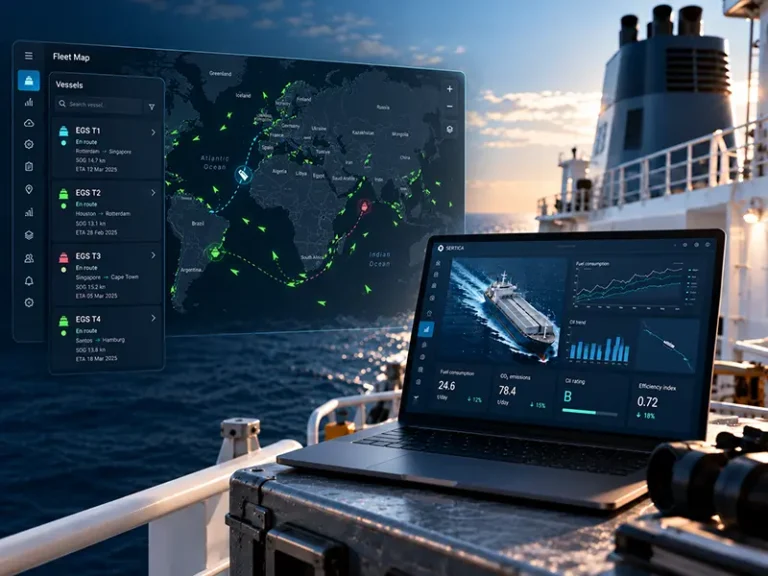
Gain real-time insights, automated alerts, and fleet-wide best practices with the SERTICA performance monitoring system.
Experience SERTICA Performance in action
Book a demo

Fuel savings
Optimize fuel use by reducing unnecessary engine hours – saving both time and money.
Actionable alerts
Ensure safety and regulatory compliance with alerts on specific operating conditions and locations.
Fleet analytics
Get access to live data from the entire fleet across key systems to ensure you make the right decisions.
Voyage optimization
Maintain schedule reliability while lowering fuel use. Crews get clear guidance to choose efficient routes and avoid unnecessary speed changes, so each voyage uses less fuel across your vessels. Works with your noon reports and sensor feeds, and complements existing voyage optimization tools.
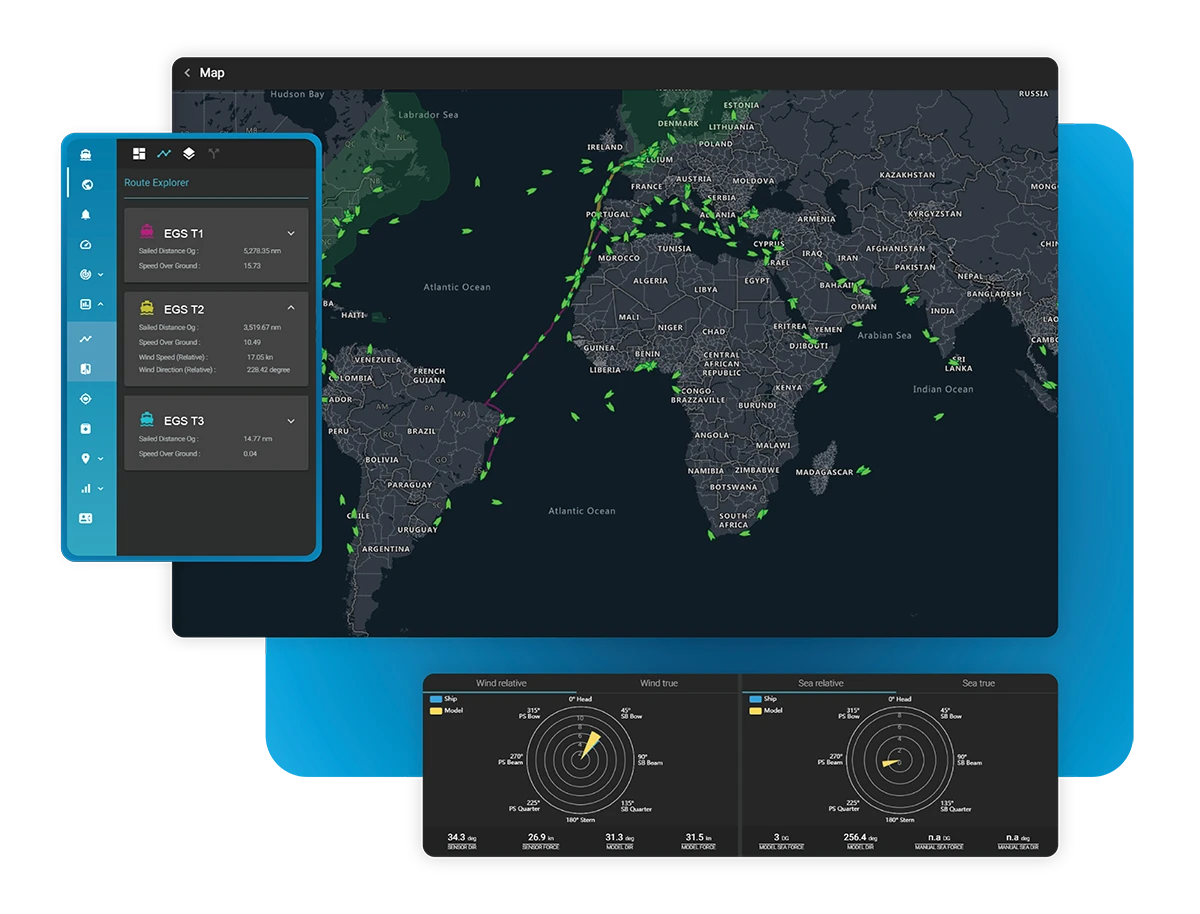
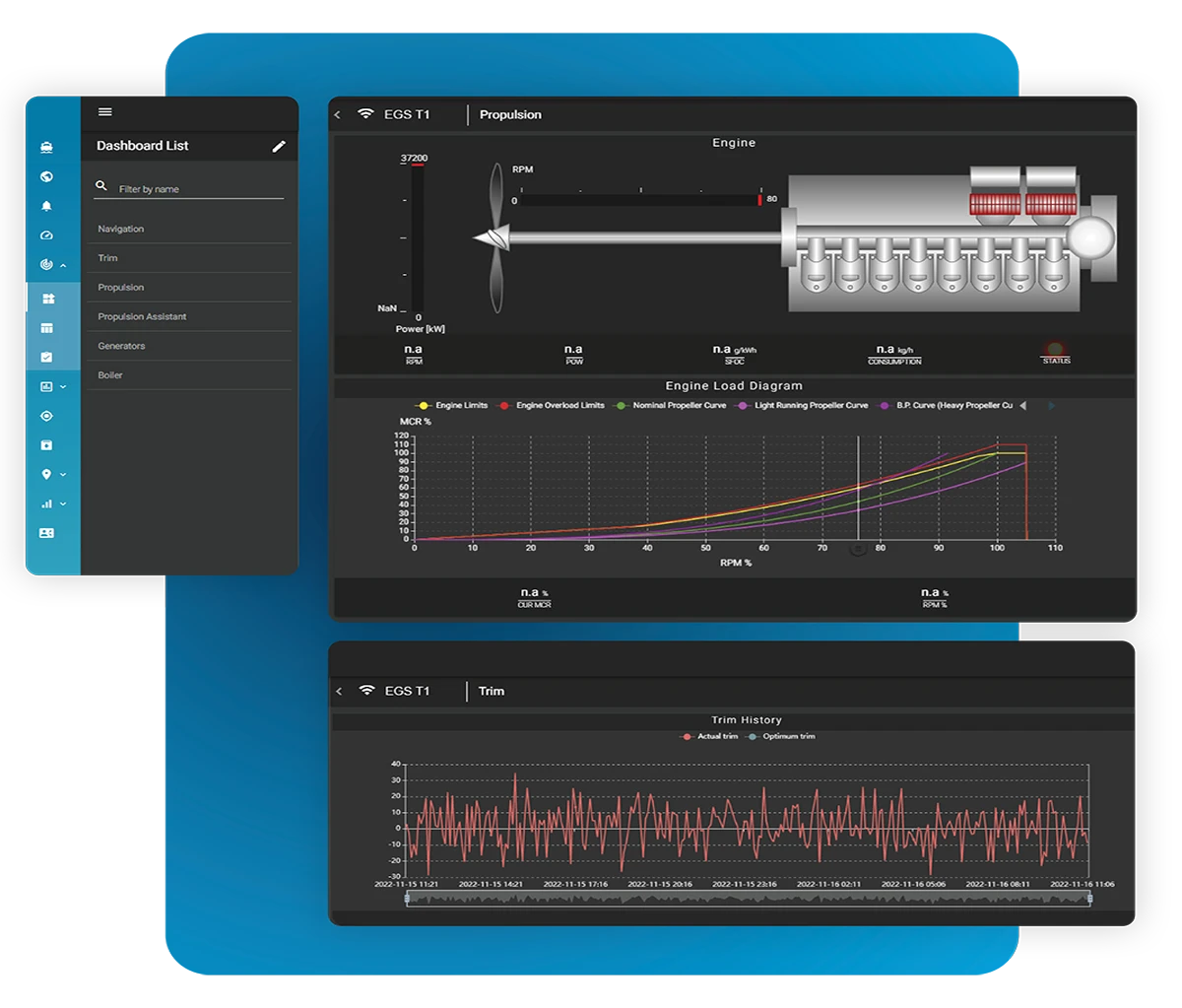
Propulsion & trim efficiency
Detect when power use drifts and bring it back on target. Practical guidance on propulsion and trim optimization helps crews meet efficiency goals on each ship without extra tasks.
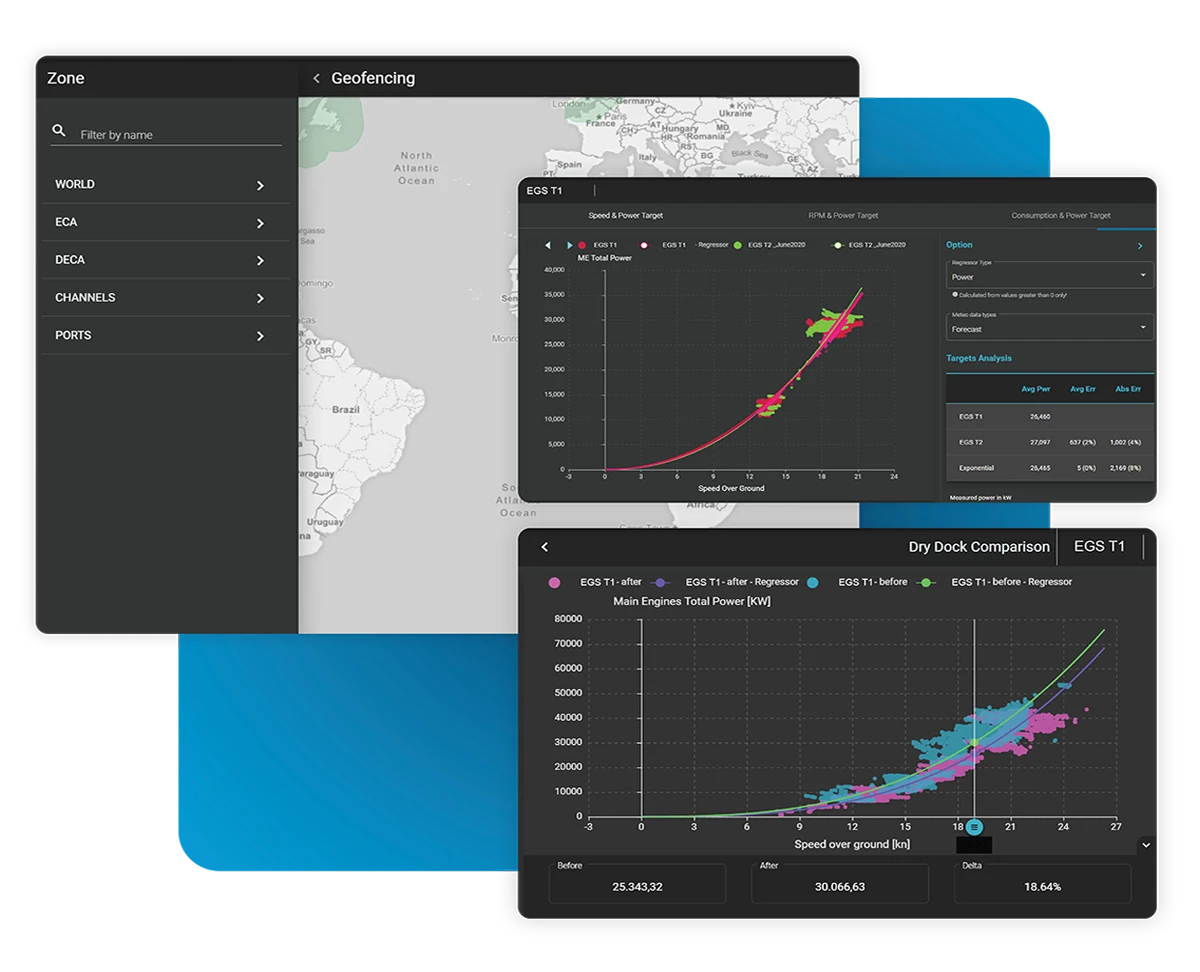
Monitor, alert & comply
Keep attention on what matters in daily operations. Geofencing for ships and rules-based alerts are configurable to your policies, conditions, severity and recipients, prompting timely actions on every vessel and supporting day-to-day practices around ECA fuel choice and CII impact.
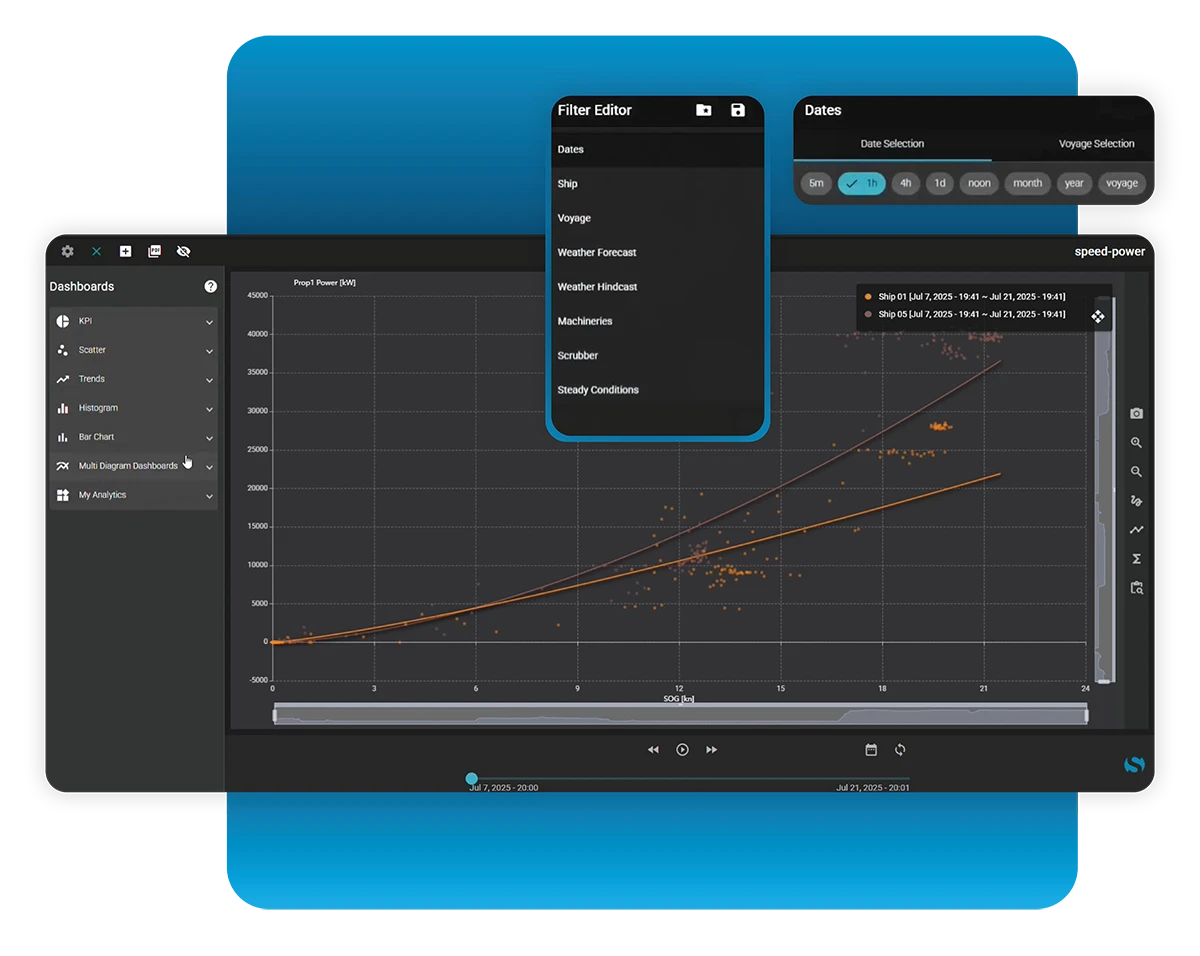
Reporting & analytics
Present outcomes in shared dashboards for ship and shore, then turn insights into standards and actions. With Analytics you can track post-dry-dock gains and follow degradation trends, with data synchronized to Microsoft Azure as your single source of truth for ship performance monitoring.
Introduction
SERTICA Performance turns ship data into lower fuel costs and clearer decisions. Crews and shore see the same live picture, with geofencing and timely alerts that keep attention where it matters. Dashboards confirm the impact so improvements carry across the fleet.
Before a monitoring system, answers depended on call chains, email threads, and sending someone onboard for days to collect readings. SERTICA Performance replaces this with a shared, live view for ship and shore, so decisions move in minutes instead of days.
Operational questions that once required manual follow-up can now be checked instantly, recorded in an auditable trail, and rolled up across the fleet. If leadership asks for a fleet-wide status, you can deliver it in seconds and keep it current for daily reporting.
How to unlock fleet performance
System
The core Performance system unifies data, actions and follow-up in one platform. With the included features you monitor vessels in real time, guide timely decisions using geofencing and alerts, and track results in dashboards to make savings repeatable.
Testimonials
The Ship Performance System aligns ship and shore on one set of KPIs, making it easier to act on guidance, document savings and scale what works across the fleet.
“The dialogue and cooperation with the RINA team have been outstanding. Their deep understanding of vessel performance, combined with the comprehensive skills typical of a Class Society, have proven invaluable to us.”
Andrea D’Ambra
Grimaldi

Benefits
SERTICA Performance turns everyday sailing decisions into measurable wins. Whether your goal is to cut fuel, keep ETAs steady, strengthen discipline with geofencing and alerts, or align ship and shore around one view, a modern ship performance system helps you operate smarter across your fleet and make improvements that last.
Drive fuel savings, align ship and shore, and turn data into repeatable standards
SERTICA Performance analyzes long-term vessel data so management can act on evidence, not guesswork. Turn those insights into lower fuel use and higher machinery efficiency for real cost savings.
Today, a staggering 90% of onboard data goes unused. SERTICA puts it to work every day.
Turn everyday choices into measurable savings with performance monitoring
Fuel is one of the largest costs in vessel operations, and small inefficiencies add up on every voyage. SERTICA Performance shows ship and shore how speed, trim, and engine use affect consumption, so crews can adjust in time and keep fuel spend under control without compromising schedules.
Make the right action the easy action by monitoring vessel performance
Plans fail when guidance is hard to follow. Keep attention on what matters with simple bridge views and focused prompts aligned to roles, areas and severity. It works offline and syncs later, so crews get timely nudges on speed, fuel type or generators and see the effect in clear dashboards.
One dependable vessel performance view for ship and shore
Decisions stall when the numbers are questioned. SERTICA captures signals on board, applies plausibility checks and synchronizes securely to the cloud, so KPIs are traceable to the inputs you collect. Everyone sees the same figures; best practice becomes the standard.
Related Insights
Explore checklists, webinars, papers, and demos that show how alerts, dashboards, and voyage follow-up help you cut fuel and make savings repeatable.
View all insights
SERTICA Suite
Discover everything SERTICA has to offer and learn more about our full product range. All SERTICA products integrate with each other, providing your fleet with a complete and comprehensive management system.
One reliable point of contact from start to finish. Your project manager plans the rollout with you, coordinates data conversion and training, and keeps the implementation on track.
Gain success with our live support and customer success manager. When questions come up onboard or ashore, you reach people who know SERTICA and how your setup works.
Developed in-house by marine experts in collaboration with maritime customers. The system is shaped by people who understand ship operations, so it fits how your crew and office work.
FAQ